1X opens plant in California
English translation from Unibot. Source published 2026-05-04.
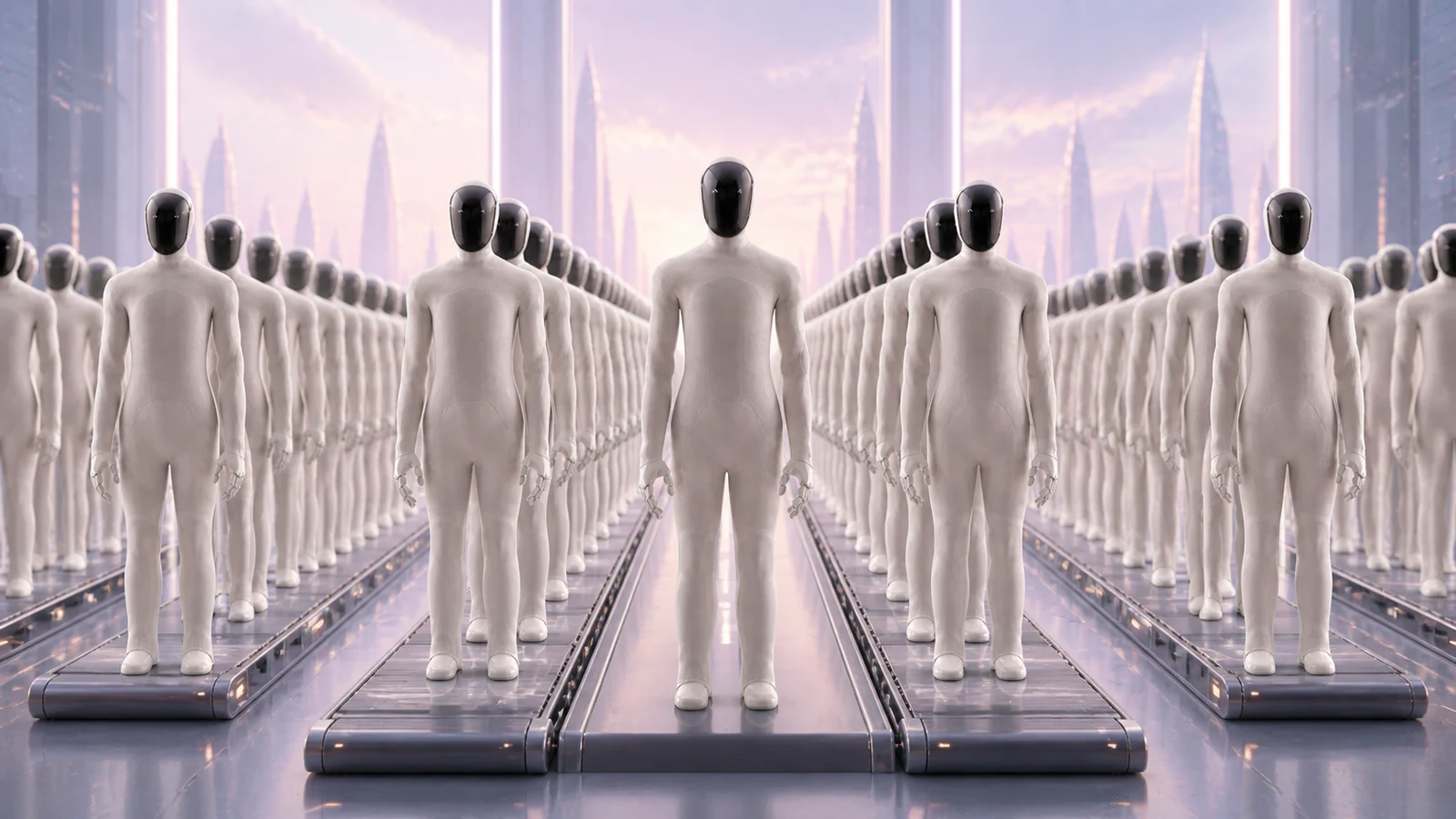
1X Technologies AS opened a 58,000-square-foot facility in Hayward, California, on April 30 where it will assemble the humanoid Neo, the Norwegian OpenAI-backed startup's most tangible move from R&D to volume production. According to Bloomberg, the site is designed to produce 10,000 robots in the first year, with a long-term goal of 100,000 units by the end of 2027, when a larger facility in San Carlos begins operations. Shipping from Hayward is expected to begin before the end of this year.
Factory, not a pilot line
The site is being touted as a factory rather than a laboratory or demonstration facility—an important distinction in a sector where most announcements still concern prototypes, demonstrations or research phases. Readiness for mass production is a separate and much more complex problem.
The size of the site suggests that 1X is focused on the practical side of humanoid commercialization: repeatable assembly, calibration, quality control and a streamlined process for turning finished machines into shippable goods. The speed of construction is also noteworthy: Bloomberg writes that the facility was built in a matter of months, which indicates a deliberate compression of the time frame amid increasing competition in bringing humanoids to the market.
The company plans to move its headquarters again—from Palo Alto, where it moved from Norway last summer, to San Carlos—as soon as the larger site is ready. Dar Sleeper, 1X's vice president of design, product and marketing, acknowledged in an interview with Bloomberg that the company's current facilities no longer meet the company's needs.
Vertical integration as a strategic bet
The most characteristic feature of the 1X approach is the scale of in-house production of components. According to Bloomberg, the site winds copper coils, assembles motors, produces electronics and produces batteries. Sleeper described the level of vertical integration as unprecedented for the humanoid market and for “heavy” technologies in general.
This choice is unusual at the current stage of development of the industry. Most humanoid programs rely heavily on external suppliers of drives, power electronics, and battery packs. 1X is betting that ownership of these subsystems will shorten the cycle between data collected in the field and design changes that are implemented into the next batch of robots—that is, speeding up the iteration cycle at the cost of significantly greater capital investment and more complex operational management.
It is also seen as a hedge against supply chain risks at a time when many technology companies are returning critical components to national sites. At the moment, most humanoids are produced in China, and such American factories are still rare.
Consumer humanoid for $20,000
Neo is now available for pre-order for $20,000 and is positioned as a home assistant for tasks like folding laundry and getting organized. He can speak, learn new skills over time, and, in the future, help with caring for the elderly. The soft, human-like body is largely responsible for the increased interest in the product on social networks.
This positioning as a consumer product puts 1X on a different path from its peers focused on tightly controlled industrial deployments. Other notable US humanoid manufacturers include Tesla, Figure AI, Agility Robotics and Apptronik, but the global market remains dominated by Chinese companies, which provided the majority of the roughly 13,000 humanoid units shipped worldwide last year.
Orientation towards the mass consumer also increases the requirements for implementation. Scale is not just the number of units. These are the deployment, support, maintenance and practical needs of a broad installed base - none of which flows directly from the 10,000 annual capacity figure.
Financing and customer obligations
1X last raised approximately $100 million in a Series B round led by EQT Ventures in January 2024, bringing its total funding to approximately $123.5 million. The company declined to disclose its current valuation. Private equity firm EQT AB has separately said it plans to deploy 10,000 Neos across its portfolio companies - a commitment that, if completed, would eat up a significant portion of the Hayward line's annual capacity.
"Critical mass in two years"
Burnich told Bloomberg that he believes humanoids will reach critical mass in society within about two years, and scaling production in the US will require many more skilled workers than are available to the industry today. He was also unusually straightforward about his desire to avoid over-promising — emphasizing the released video from the factory as part of a deliberate move toward transparency at a time when most humanoid manufacturers are showing carefully edited clips rather than production floors.
The next milestones are concrete: first shipments from the Hayward line before the end of the year, continued construction work in San Carlos, and the introduction of the next generation Neo with the optical and mechanical changes in mind that Sleeper has hinted at. The Bloomberg report did not provide customer details for the first shipments beyond the EQT commitment, leaving open the question of how broad the initial consumer launch will actually be.
If the Hayward line meets its 10,000-unit goal and the company maintains its trajectory to 100,000 by the end of 2027, 1X will be an early test of whether a vertically integrated, consumer-facing humanoid program can move beyond limited runs and into repeatable production at meaningful scale.