Tesla begins early Optimus production and targets external deliveries for late 2027
English translation from Unibot. Source published 2026-10-22.
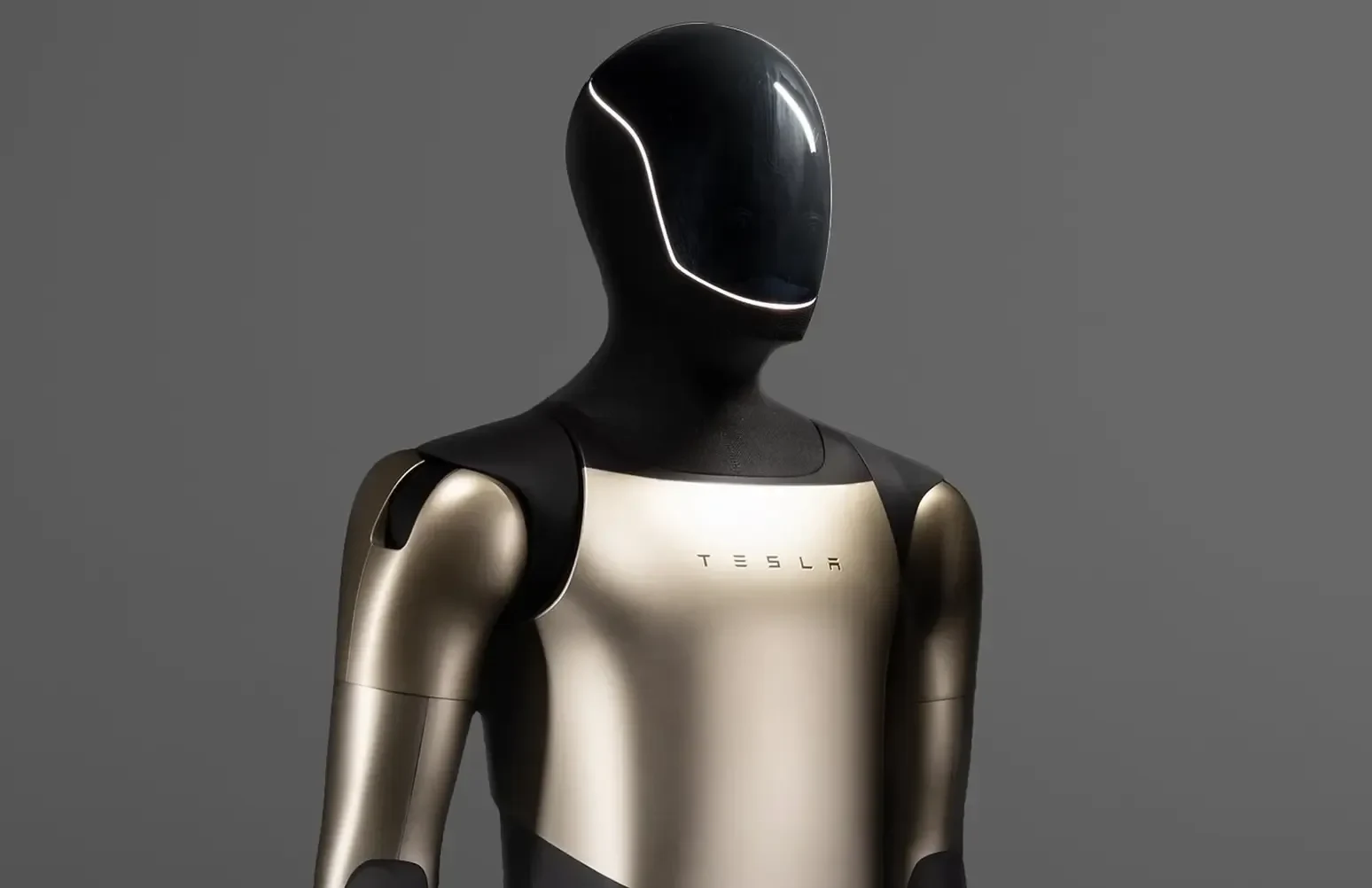
Tesla has launched production of its humanoid robot, Optimus, on an assembly line in Fremont. However, the company did not disclose production figures or prices, and external deliveries are not expected until late 2027.
From pilot to assembly line
In its third-quarter 2026 report, Tesla announced the start of production on high-volume lines in Fremont. The units are described as the first production robots. For the first time, the manufacturer announced assembly on the assembly line, and not in pilot mode.
During the earnings call, Elon Musk called it early production. Deliveries to companies outside of Tesla are not expected until the end of 2027. Buyers should clearly separate what is said from what is not said.
What exactly is said
The production began in areas where Model S and Model X were previously assembled. Tesla itself claims that it has proven the suitability of the current production process for a commercial product.
The installed capacity table from the presentation lists California as an early ramp-up and the dedicated Texas facility as construction. No capacity figures are provided for either.
What they didn't say
How many robots have been built, how many are released per week, what version it is and how much a piece costs is unknown. When asked about the price in the call, they answered that it was too early to talk about achieving target indicators. Shacknews writes about this with reference to notes from the call. There is no published price.
The same notes record Musk’s words: it will take about a year to reach 20,000 units weekly. The first clients will be industrial.
A difficult ramp-up and hardware changes
Musk warned that the ramp-up would be difficult. According to a quote from Tech Insider, he expects the remaining design and reliability issues to be resolved around the end of next year.
Integration of the AI5 chip into Optimus is scheduled for approximately April 2027. For the buyer, this means a robot whose hardware and computer will continue to change throughout 2027.
Financial pressure
Tesla reported net income of $787 million for the quarter. That's a 43% drop from $1.37 billion a year earlier. TechCrunch notes that AI and Optimus costs are putting pressure on profits.
It is proven: the production line exists and produces units that Tesla calls production.
Demonstrated: Nothing new was publicly shown with the update.
Stated: a ramp-up to 20,000 per week and delivery date at the end of 2027.
Three types of mass-production figures
The creators of humanoids put completely different meanings into the words production and mass production. The numbers behind them are of three types. Speed - how many units the line can produce per period. The cumulative total is how much has been built since the very start. Number of deliveries - how many reached paying customers outside the manufacturer’s sites.
The difference between them can be huge. A line may be rated to handle thousands per week, but during the ramp-up period operate at a fraction of that. Units can be assembled and sent to the creator's own factories or to collect training data. This goes into the cumulative total, but not into supplies.
Tesla North reports that early Fremont builds were spent on internal Tesla data collection work. A specific example: the supplier announces the start of mass production with a capacity of 100,000 units per year. At the same time, he could build 200 units and not ship anything. All three statements can be true at the same time.
When a vendor gives a production figure, ask which of the three types it is, for what period, and how many units are already in customers' hands. Only the number of shipments will tell about the waiting times and the ability of the supplier to maintain the fleet. As of today, Tesla has not given any of the three figures for Optimus.
Unanswered Questions
What version of Optimus is coming off the Fremont line, and will the robots being assembled now be upgraded with the introduction of the AI5 computer?
How many units have been built so far, and how many are working in Tesla's own factories for useful purposes rather than just collecting data?
For the first external customers at the end of 2027, what tasks, uptime and support conditions is Tesla ready to fix in the contract?
Will Tesla sell the robot directly, rent it out, or offer it as a service, and when will the estimated price be available?