UBTech U1 humanoid companion targets older and single people
English translation from Unibot. Source published 2026-08-07.
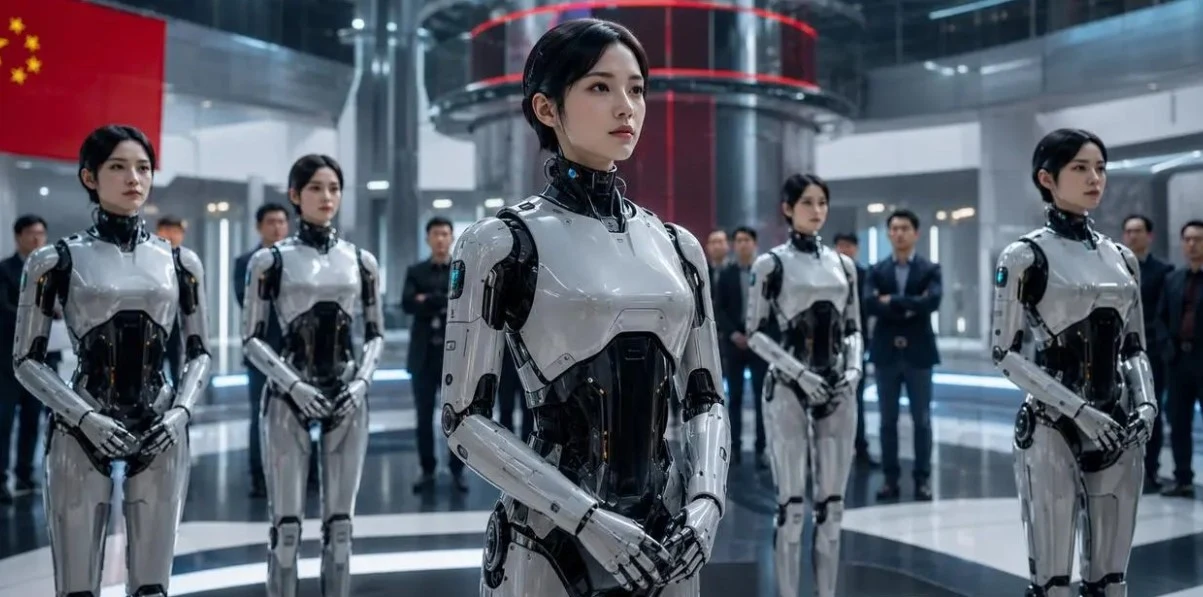
UBTech presented U1, a humanoid robot for social interaction under its UWorld brand. It primarily targets single people and Chinese citizens over 60. Futura Sciences estimates these potential customer groups at 120 million and 320 million respectively.
A conversation partner rather than a household assistant
U1 is not positioned as a general-purpose home helper. It does not cook, iron or clean. The company also emphasized that it currently has no plans to use the robot for intimate relationships.
Its role is narrower: a physical conversation partner with a realistic face, soft skin and moving eyes, head and mouth.
What U1 can do
Futura describes the robot as something between a smart speaker and a social android. Its conversational AI is designed for ongoing interaction: it remembers its owner, learns their habits and starts conversations without waiting for a question. The system can also recognize signs of stress and respond with calming phrases.
UBTech claims U1 can notice certain health problems, provide medication reminders and suggest what to wear. These are sensitive capabilities rather than simple entertainment features.
The article, however, provides no independent evidence of their performance. Demonstrating conversation at a presentation is relatively straightforward. Reliably assessing emotions and providing health-related help in a home is far more difficult.
Runtime is limited to around four hours, requiring regular recharging. U1 comes in two sizes: a female version standing 1.68 meters and a male version at 1.83 meters. The company offers several appearance options and, according to the publication, can customize the android to resemble a loved one.
Price, preorders and privacy
The base Lite version costs 119,800 yuan, approximately $16,500. Futura reports more than 13,300 preorders, with initial deliveries planned for September.
If all those orders become actual sales, U1 would represent one of the most notable attempts to sell a full-size social robot as a consumer product rather than an industrial platform or research system.
The privacy implications are unusually direct. A robot that listens to personal disclosures, detects stress, remembers habits and potentially tracks health indicators necessarily collects highly personal data. Critics have already raised concerns about emotional dependency and sensitive information gathering.
What is missing is evidence obtained outside the company. The article provides no references to trials with older people, clinical validation of diagnostic capabilities or independent stress-recognition tests.
Until such evidence is available, U1 should be viewed as a realistic social robot entering the consumer market with unusually extensive demands for personal data.