Waabi: AI driver moved to an autonomous Volvo truck without retraining
English translation from Unibot. Source published 2026-07-07.
Waabi claims a major breakthrough in autonomous driving. The company moved its AI driver from one self-driving truck platform to another - without additional training, engineering changes or new data.
AI moved to Volvo without training
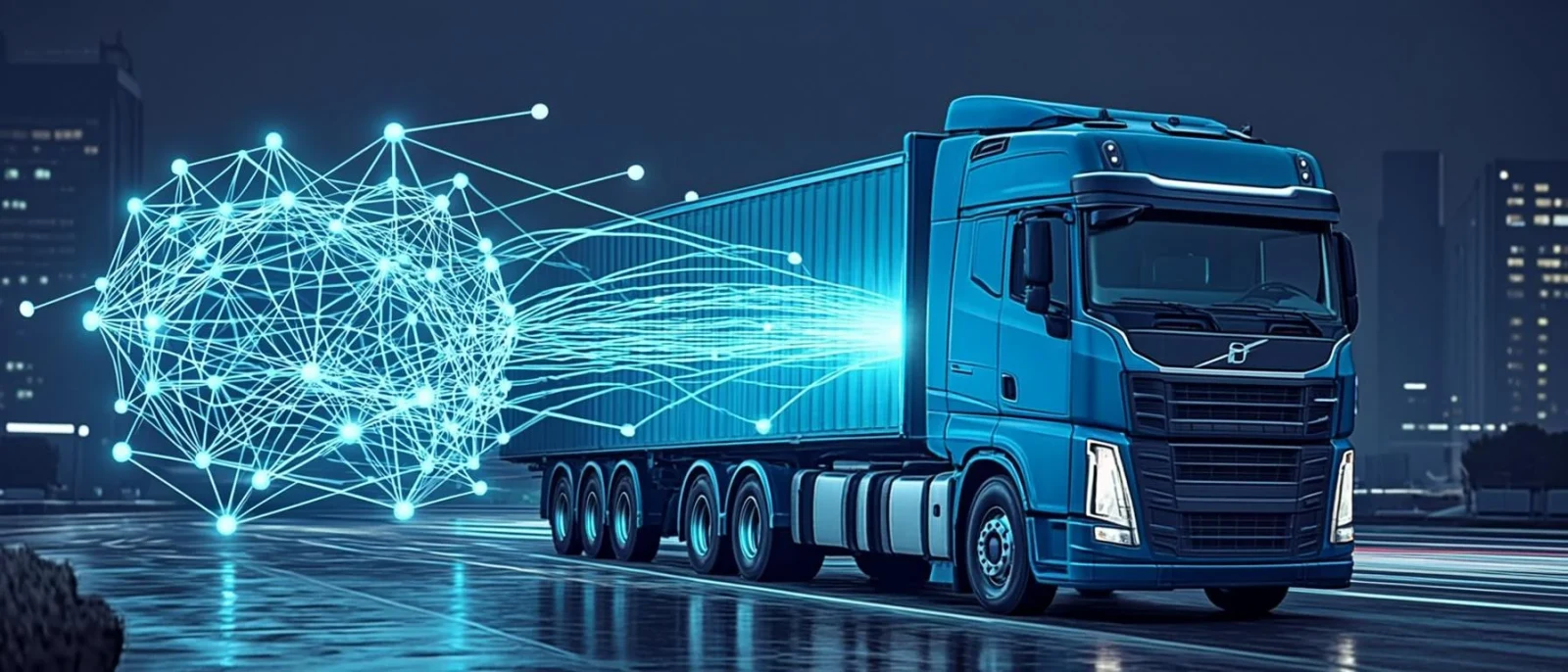
Waabi Driver software was integrated with the Volvo VNL Autonomous truck, created in collaboration with Volvo Autonomous Solutions. From the very first launch, the system was able to independently drive along highways and difficult city streets.
Waabi claims that they have achieved the so-called “zero-shot generalization”. In other words, the AI driver moved to a completely different platform - without new data from real roads, without simulation and without fine-tuning.
From Peterbilt to Volvo
Previously, Waabi Driver was trained to drive a Peterbilt 579 truck. And then it was deployed on a Volvo VNL Autonomous - a vehicle with different sensors, control systems and characteristics.
According to the company, this is an important step towards scalable unmanned freight transportation. The same AI system can run on different platforms - without the lengthy engineering and validation processes that were previously considered mandatory.
The key to commercial success
This success builds on a previous achievement: Waabi Driver went beyond the highway and began driving on challenging city roads.
Waabi emphasizes that the ability to generalize—both across different driving conditions and across different platforms—is critical if autonomous systems are to reach commercial levels.
Nils Jaeger, President of Volvo Autonomous Solutions, said:
“Road testing the Volvo VNL Autonomous with Waabi Driver on public roads is an important confirmation of our partnership with Waabi. It also proves the scalability of Volvo's autonomous platform, which is designed to integrate different truck models and virtual drivers for a wide range of scenarios. Together with Waabi, we are bringing autonomous transport solutions closer to commercial reality.”
Step towards adaptive machines
Waabi believes that this technology can be useful not only in cargo transportation. This is a step toward more adaptive physical AI systems that can run on a wide variety of machines and environments.
Raquel Urtasun, founder and CEO of Waabi, said:
“This is a defining moment for physical AI. In an industry first, we showed that a virtual driver can generalize information across fundamentally different implementations - without a single training example, real or simulated, and without fine-tuning. This ability can change much more than just transportation. This is the basis for a new generation of intelligent machines that can adapt, scale and operate in the physical world, opening up possibilities we can hardly imagine yet.”
Waabi says this demonstration is a step toward deploying the same autonomous driving system across different truck platforms and under different conditions. And this, according to the company, is necessary for large-scale commercial implementation of unmanned vehicles.