Fourier introduces the care-focused GR-3 humanoid robot
English translation from Unibot. Source published 2025-09-17.
Fourier has announced the GR-3, its first full-size robot advisor and the newest member of the GRx family. This robot does not just perform functions, but is aimed at forming deep emotional connections with people. Guided by the philosophy of “Care First,” GR-3 ushers in a new generation of robots designed specifically for comfortable and humane interaction with humans. The soft outer shell material and multi-modal emotional interaction system make the GR-3 a truly warm presence, combining functionality and genuine affection.
GR-3 moves away from the standard utilitarian robots of the past, focusing on providing exactly the kind of human care that is difficult to replace with a conventional machine. The concept of a “caring robot” involves two key roles: a social companion and a care assistant. In public spaces, GR-3 can act as a guide accompanying a child or an elderly person, support adults, or facilitate everyday tasks for the older age group.
In the future, it is expected that GR-3 will occupy an important niche in the care of the elderly, health monitoring and rehabilitation of patients. Thus, the GR-3 takes the relationship between man and machine to a qualitatively different level.
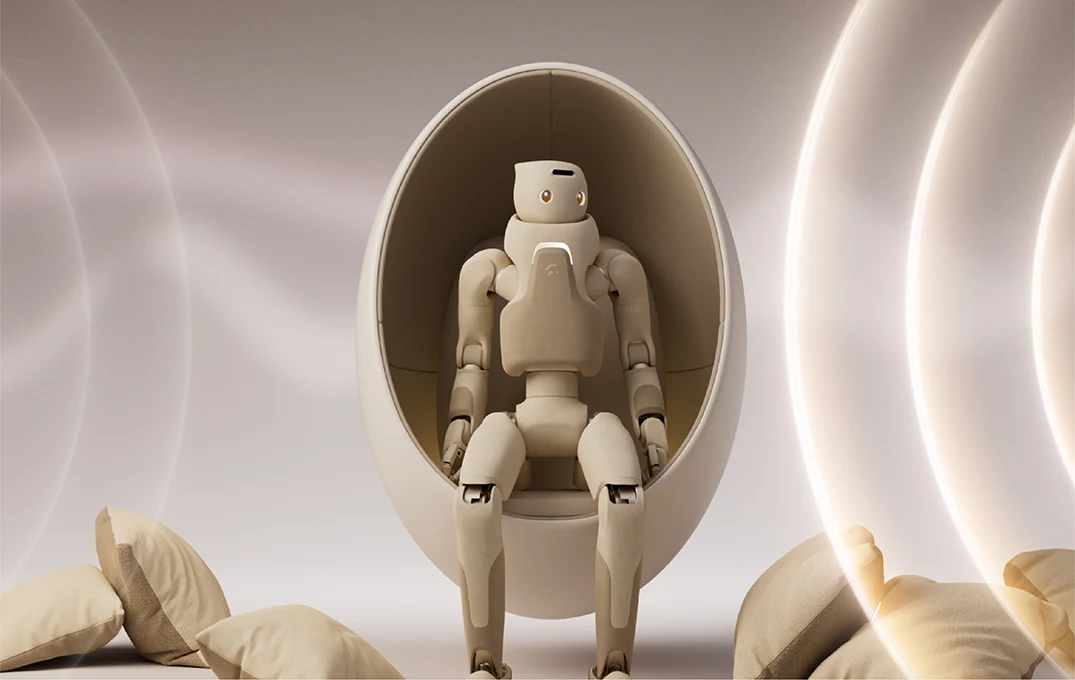
Particular attention is paid to the appearance and materials of the GR-3. Made in soft pastel shades and covered in premium automotive trim material, the robot exudes warmth and friendliness. A slender figure, harmonious proportions and smooth lines emphasize the attractiveness of appearance, making you forget about the coldness of the metal and plastic of ordinary robots.
The GR-3 is equipped with a powerful hot-swappable battery and intelligent power management, allowing the device to operate smoothly around the clock in real-world operating conditions.
One of the features of the GR-3 is Fourier's proprietary multi-modal perception and emotional response system. By responding to speech, gaze and touch, the robot creates a unique connection with a person. Four microphones allow you to clearly distinguish the sound source and understand voice activity, the RGB camera recognizes faces and follows the gaze of the interlocutor, and 31 distributed pressure sensors instantly register any touch.
Using a two-tier processing architecture allows the GR-3 to quickly respond to situations (“fast thinking”) and gradually develop a deep understanding of the context of a conversation (“slow thinking”). This combination allows the robot to read emotions, detect intentions and respond appropriately.
The design of the GR-3 is thought out to the smallest detail. The new architecture made it possible to achieve greater compactness and flexibility, while maintaining high functionality. Fourteen levels of hand freedom provide the robotic assistant with a wide range of manipulation capabilities, from basic actions to fine coordination. Special joints provide maximum freedom of movement, and a powerful processing unit copes with processing huge amounts of sensory data.
The development of GR-3 is aimed at bringing the robot as close as possible to a person. Every aspect of the design, from the mechanics to the software, had one goal in mind: to make the robot an acceptable participant in the human environment. Whether in the public sector, education, medicine or the personal space of the home, GR-3 aims to complement and enrich the life experience of every person.
The fourth generation of the GR Series doesn't just add technical advantages to its predecessors, it redefines the very definition of a robot, bringing genuine care and compassion where traditional mechanisms remained alien and alienating.