Insights

Georgia Tech robot conquers rough terrain with accelerated learning
Latest Articles
257 articles
1X unveils hands with 25 degrees of freedom for the NEO robot
1X has unveiled a new robotic arm for its humanoid robot NEO. The developers claim that the tendon-driven design provides near-human dexterity, strength and tactile perception. The new product has 25 degrees of freedom. Of these, 22 fully controllable joints are in the fingers and palm, and three more are in the wrist.
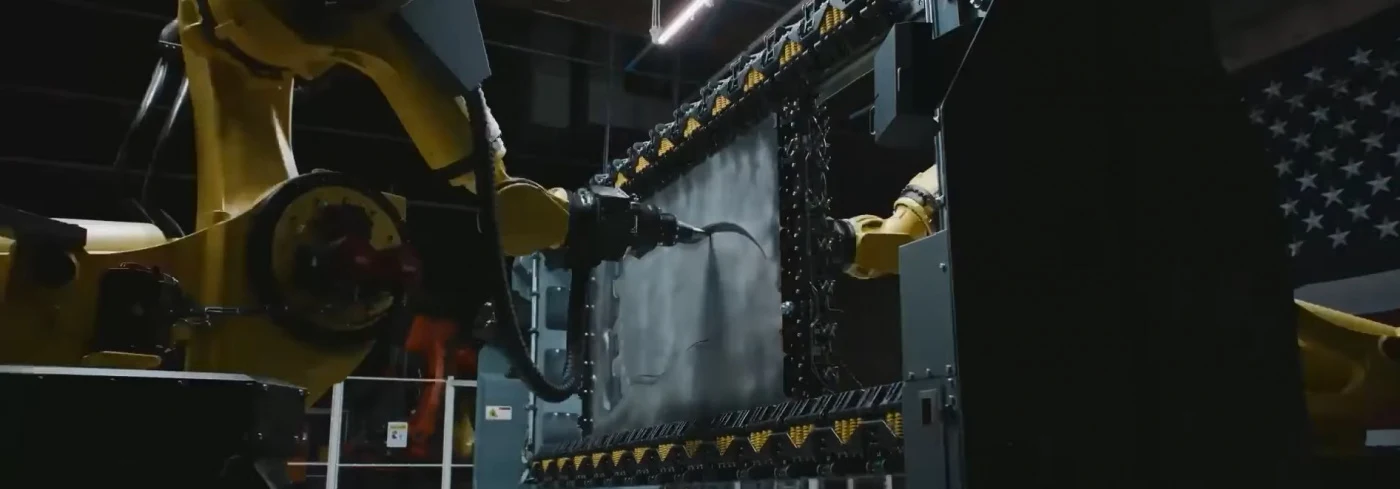
Lockheed Martin trusts Machina robots to assemble rocket parts
Machina Labs has received a qualification contract from Lockheed Martin to support the JASSM - Joint Air-to-Surface Standoff Missile program. This is the first time a part created using RoboForming technology has reached the qualification stage for a US defense missile system.
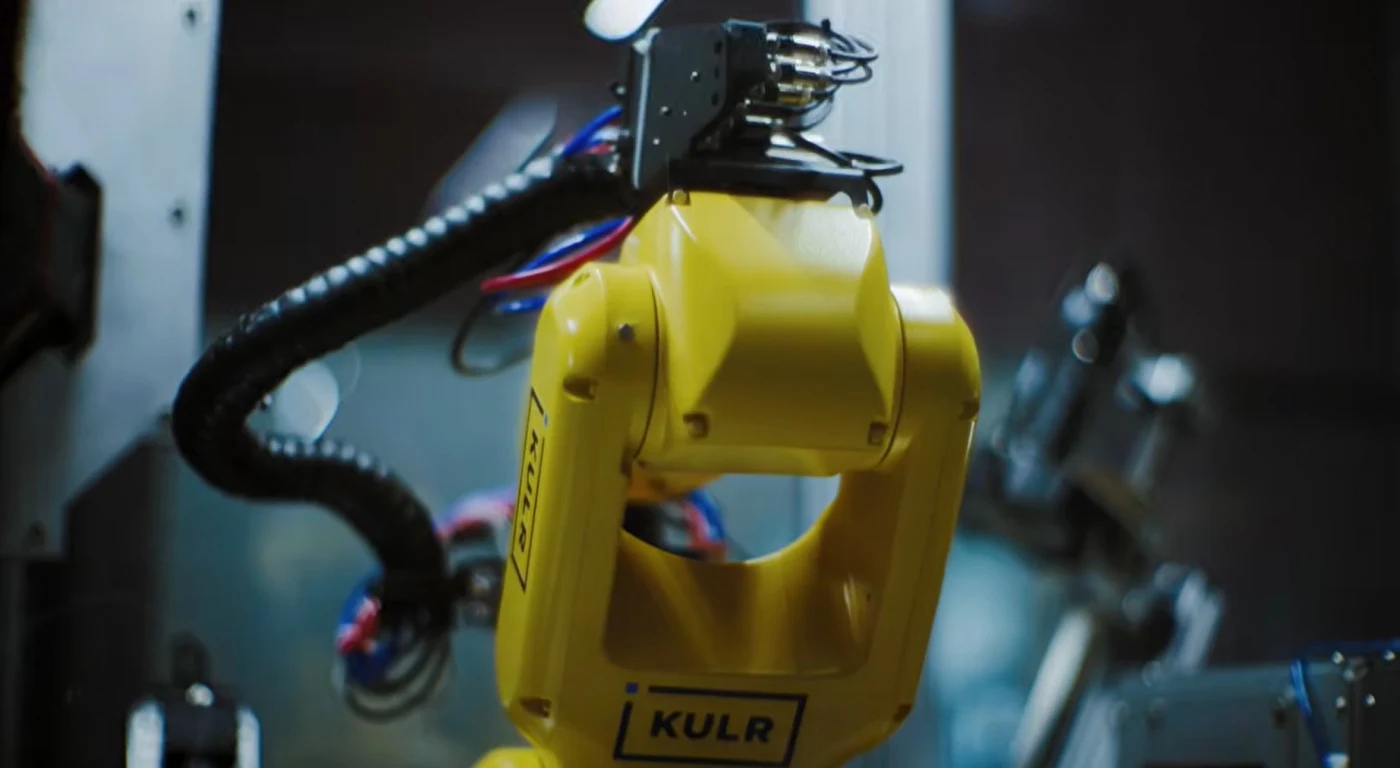
Icarus Robotics puts KULR at the heart of space robot JOY
Icarus Robotics has selected KULR Technology Group as the battery supplier for its JOY autonomous free-flying vehicle. The device will go to the International Space Station (ISS) in early 2027. Under the terms of the agreement, KULR will supply its KULR ONE Space (K1S) battery systems.
NVIDIA explains how to evaluate general-purpose robot policies for the real world
RoboLab is NVIDIA's simulation platform for robot benchmarking. Robotics foundation models have made an impressive leap, the company believes. But the more powerful these models become, the more acute the problem of their objective assessment becomes. This is one of the most difficult unsolved problems in robotics.
AI agents build virtual training grounds for robots
Robots walking down the street surrounded by amazed passers-by are no longer a rarity. But these machines are still a long way from being universal assistants that could work in a kitchen or factory. The main obstacle is data. Like humans, robots learn best through experience.

The human factor in medical automation: matching physician staffing to patient flow
Hospitals have tried for years to remove unnecessary steps from the treatment process. Routine administrative tasks are transferred to software. Robots carry consumables along the corridors. AI tools help with documentation, scheduling, and decision support. Much of this happens unnoticed, but it changes the daily life of the hospital.
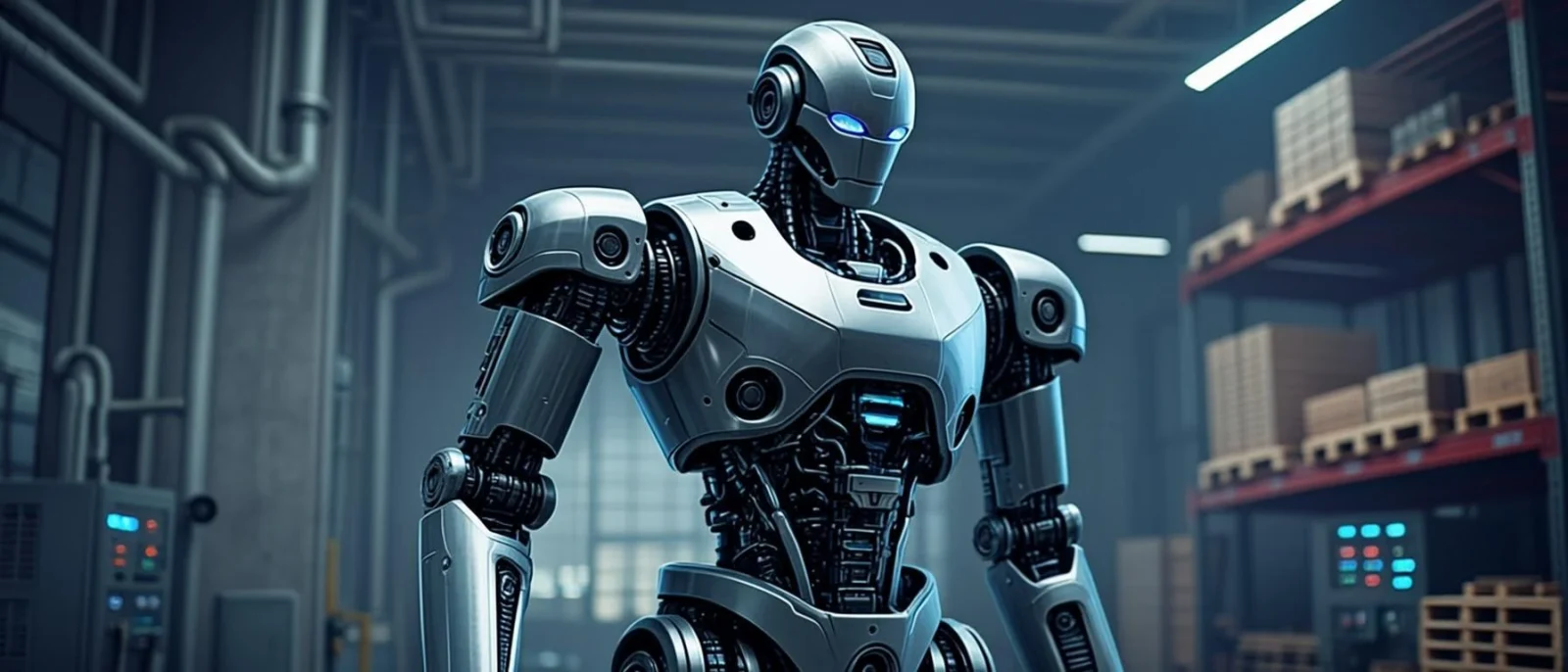
Robot.com launches humanoid robot 'for jobs that make people burn out'
Robot.com brings robots into the real world. The company announced its entry into the humanoid work solutions market with the commercial launch of R-noid, a robot "designed specifically for repetitive, multi-shift, and hard-to-staff work." Under the Robot-as-a-Service (RaaS) model, Robot.com can go from the first customer visit to running an autonomous R-noid on site in just eight to twelve weeks.

The Age of Automation: 6 Ways Order Picking is Changing Delivery
The expectations of the modern supply chain have changed forever. Both consumers and business customers no longer consider two-day delivery a premium service. For them this is the basic norm. To meet such demands, online stores and growing companies have to completely redesign traditional logistics.

New soft sensor turns touch into robotic movement without electronics
Soft robots are made from flexible, pliable materials. They are increasingly used in a variety of applications - from minimally invasive surgery to deep-sea exploration. But there is one fundamental problem that is hindering development. To sense their surroundings and respond, most soft robots require separate electronic sensors, signal processing circuitry, and actuators—all of which are controlled by a computer.
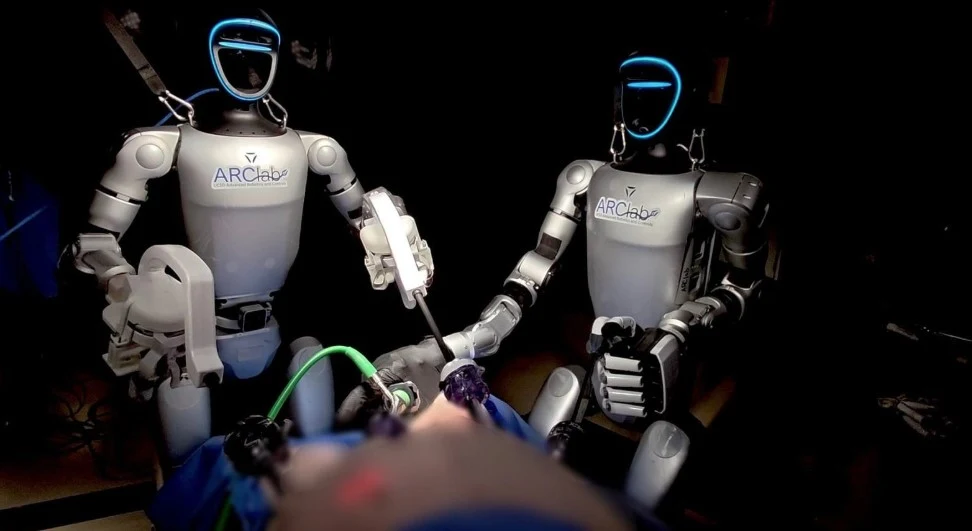
Unitree G1 robots performed surgery on a pig
Researchers at the University of California, San Diego used two Unitree G1 teleoperated humanoid robots to perform laparoscopic gallbladder removal in a live pig, Forbes reports. The robots performed surgical steps such as tissue retraction, dissection, clipping and removal of the gallbladder from the liver bed.
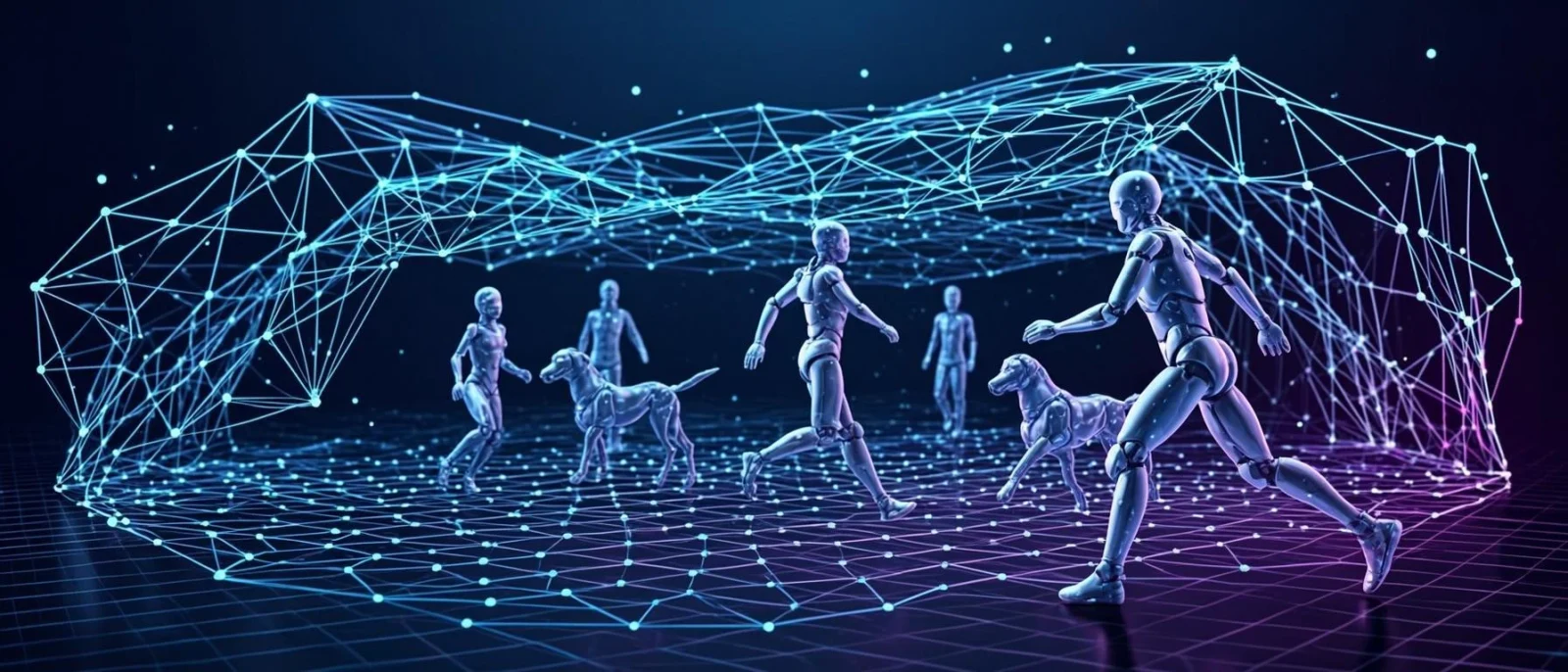
Why do robots need virtual gyms?
Humanoid robots and other machines can train in “virtual gyms.” This is not a fantasy, but a necessity to adapt to an ever-changing environment. Today, robots are faced with the task of not just automating an action. They have to adapt to variability, one of the most challenging problems in robotics.