Insights
Are suppliers ready for new robot safety standards?
Latest Articles
257 articles
UBTECH and Shenhao team up to create humanoid robots for power grids
UBTECH Robotics and Shenhao Technology have signed a strategic partnership agreement. Their goal is the development and implementation of humanoid robots to maintain power grids. This is reported by Gasgoo. The work will be built around State Grid and China Southern Power Grid facilities. We are talking about substations and distribution points - two types of premises where access, safety and reliability of tasks place particularly stringent demands on mobile robots.

Robot bird dives underwater and takes off without a run-up
Loons, gulls, puffins and petrels are just a few of the hundreds of bird species that can both fly and swim. These diving birds are capable of falling like stones into the water for prey, and then soaring into the sky again.
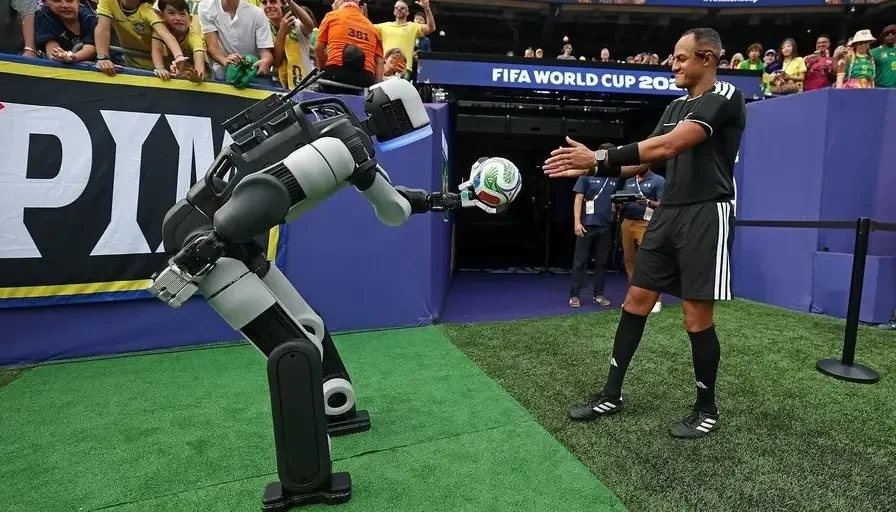
Hyundai showed humanoid robot Atlas at a live FIFA match
Hyundai brought Boston Dynamics' Atlas humanoid robot onto the field during the World Cup match between Brazil and Norway at New York/New Jersey Stadium. The robot handed the ceremonial ball to the referee before the second half, writes AI Magazine.

Automate 2026 breaks records: demand for robots and AI is growing
Automate, North America's largest robotics and automation trade show, broke all records this year. More than 50,000 participants and 1,230 exhibitors gathered at Chicago's McCormick Place from June 22 to 25. The organizer was the Association for the Promotion of Automation (A3). Automate 2026 took up 425 thousand square feet of exhibition space.
Sonair unveils "world-first" certified 3D ultrasonic sensor for safe human-robot interaction
The AI boom has made robots much more capable. But the security infrastructure can't keep up. Traditional 2D laser scanners - widely used to define safe zones around mobile robots - cannot see people or obstacles above or below one plane.
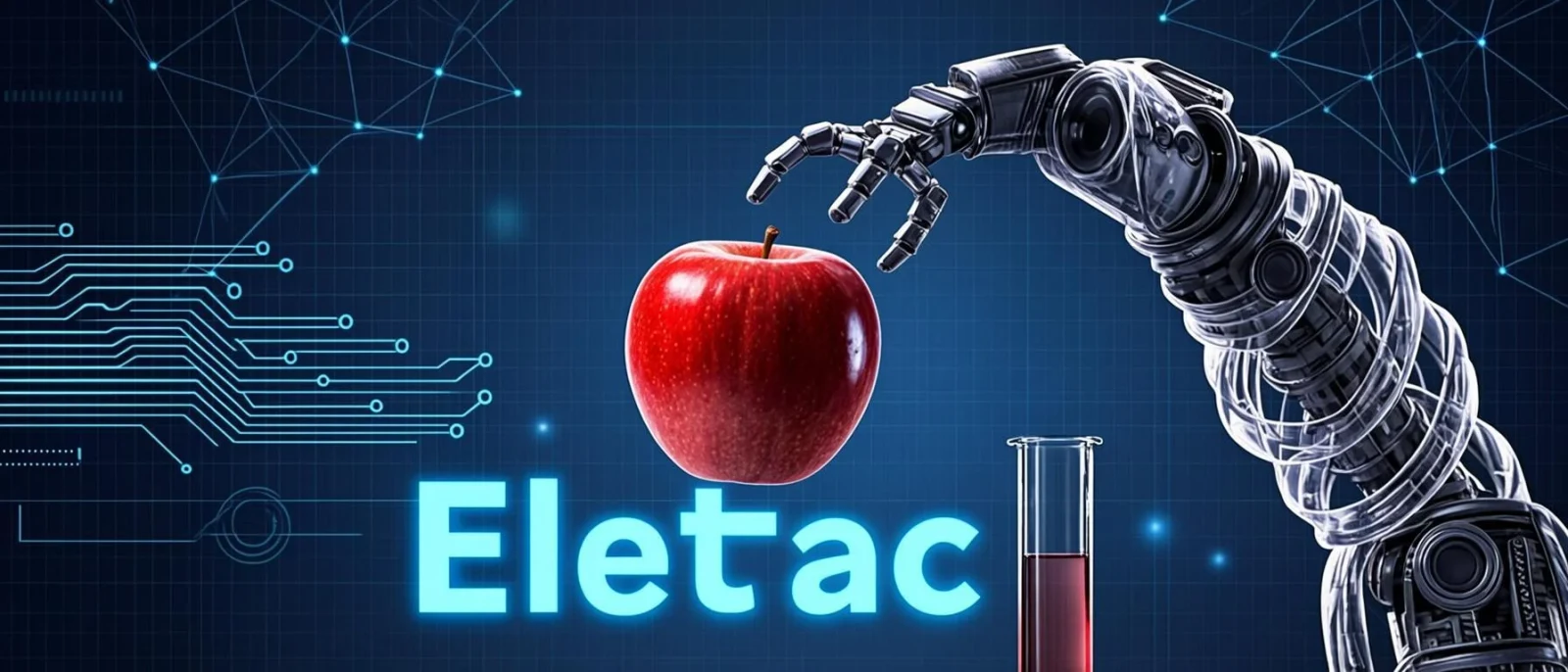
EleTac: elephant-inspired soft robotic gripper with a delicate sense of touch
Inspiration from an elephant's trunk helped create a soft robotic gripper with a subtle touch. The device is capable of not only carefully grasping objects, but also feeling them. The soft pneumatic gripper closes under air pressure. This allows you to grasp objects gently and universally.

Soft exoskeleton aims to restore hand mobility for people with motor impairments
John Nassour, Nicholas Berberich and Gordon Cheng test a soft exoskeleton for the hand. Millions of people around the world have difficulty moving their arms due to brain, spinal cord or nerve injuries. Researchers from the Technical University of Munich and the Passauer Wolf Rehabilitation Center have developed a new lightweight soft exoskeleton that can restore the ability to move your arms and grasp objects.
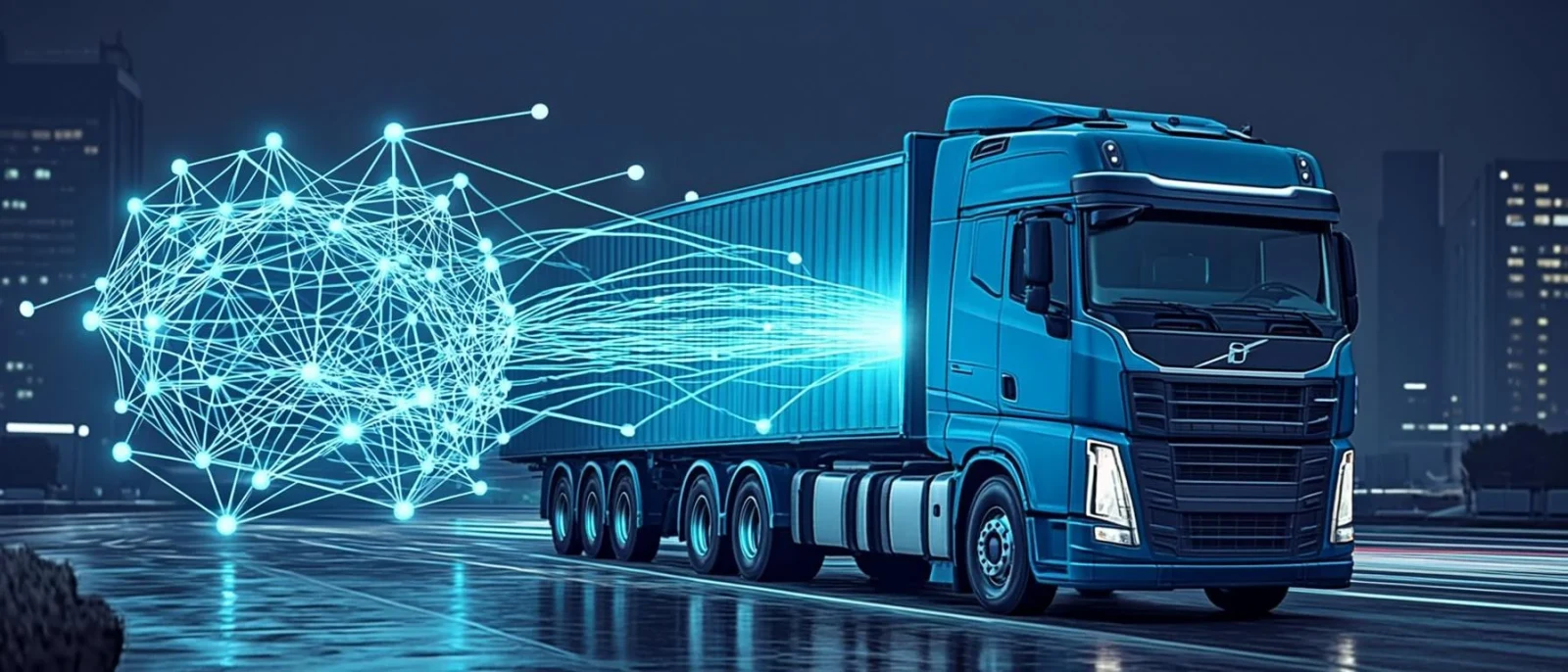
Waabi: AI driver moved to an autonomous Volvo truck without retraining
Waabi claims a major breakthrough in autonomous driving. The company moved its AI driver from one self-driving truck platform to another - without additional training, engineering changes or new data. Waabi Driver software was integrated with the Volvo VNL Autonomous truck, created in collaboration with Volvo Autonomous Solutions.
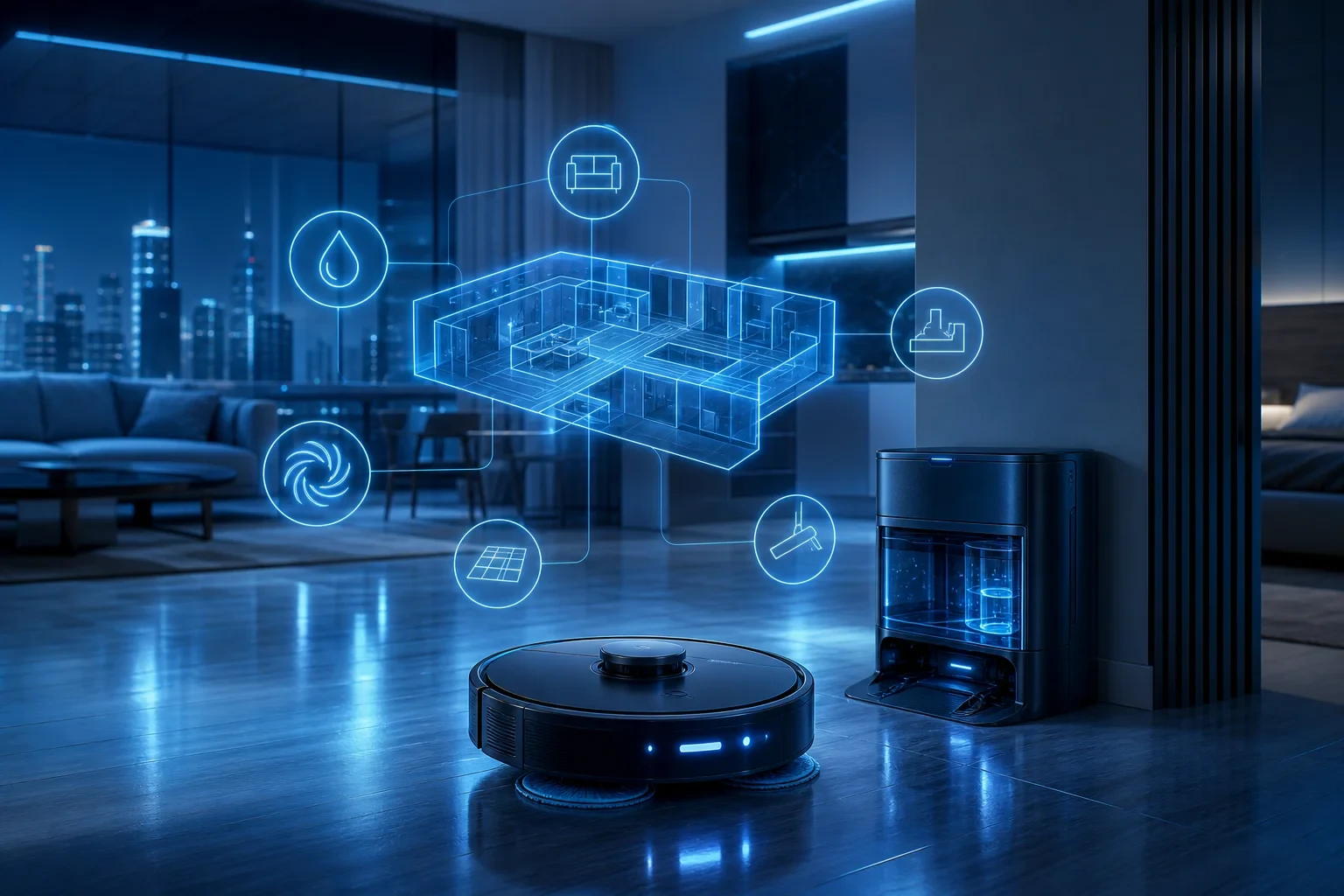
How to choose a robotic wet vacuum cleaner that's right for your home
Wet robot vacuum cleaners have evolved from a fun toy to a truly useful device. But the market is oversaturated, and advertising screams louder than the devices themselves. Two models at the same price can behave completely differently in a real apartment. And those characteristics that make headlines are not always important for the cleanliness of your floors.
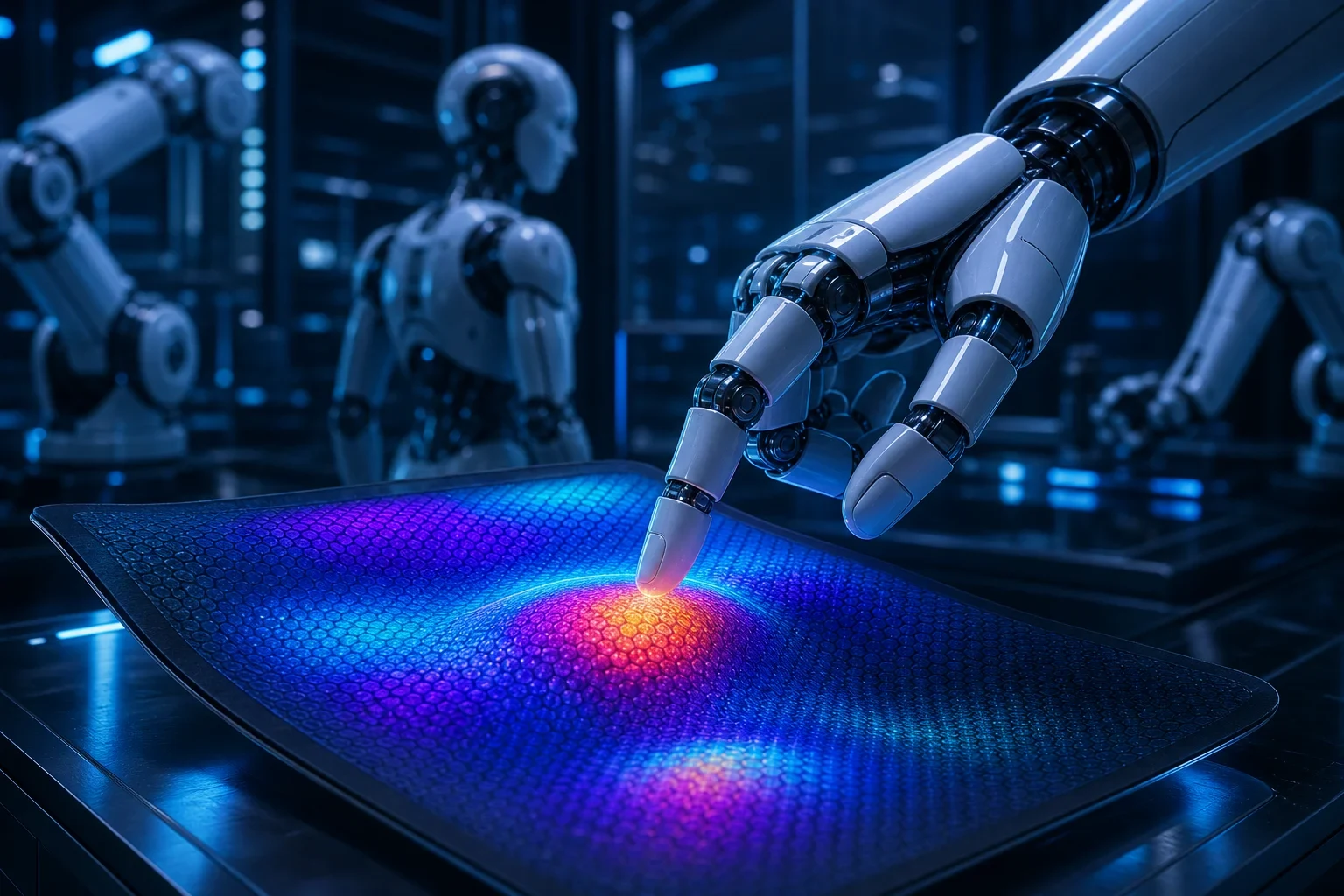
New sensor lets robots "see" touch
Engineers from Queen Mary University of London have created a color-changing tactile sensor. It allows robots to simultaneously “see” and touch in real time. The idea came from Giacomo Sasso, a postdoctoral fellow at the School of Engineering and Materials Science at the same university.

AI energy demand is erratic. Power grids are unprepared.
The rapid expansion of AI infrastructure is usually framed as an energy problem. It is predicted that data centers will consume an increasing share of the world's electricity. The International Energy Agency estimates that by the end of the decade they will account for three to four percent of global consumption.