Insights

BBC presented sitcom Ann Droid about robots for elderly care
Latest Articles
257 articles
Galaxea Dynamics introduced the wheeled robot NEXO
Galaxea Dynamics presented NEXO, a wheeled dual-arm humanoid prototype for commercial services, logistics and manufacturing. It stands 168 cm tall, weighs 85 kg and has a stated 20 kg lifting capacity. NVIDIA computing, force sensing and proprietary models support development, while published skill ratings remain at an early stage.

Figure AI will build a supercomputer for humanoid robots for $3.5 billion
Figure AI committed $3.5 billion to a computing project with Nscale, with an option to expand to $6 billion and up to 100,000 NVIDIA GPUs. First systems are planned for the second half of 2027. The report distinguishes future infrastructure, company-reported training data and unresolved financing details.
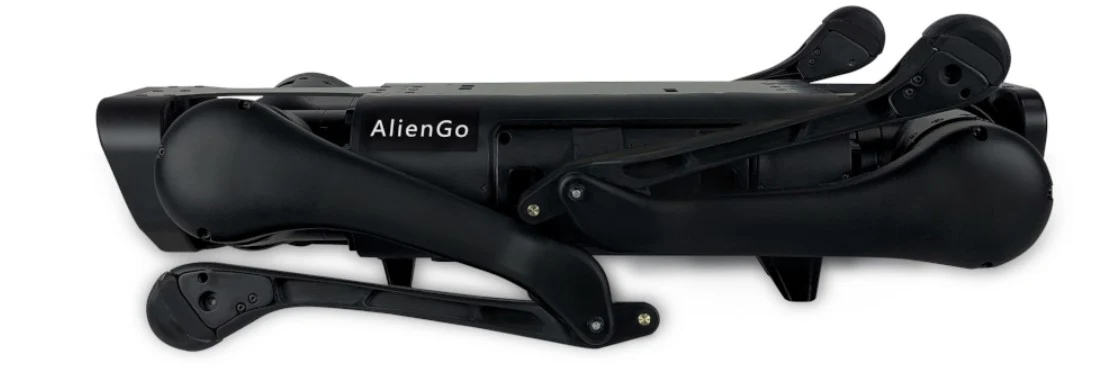
A four-legged robot has learned to jump through narrow passages
Researchers from the University of Hong Kong and Oxford developed a learning system that lets Unitree Aliengo jump through narrow openings. Dog motion data trains low-level movement, while a higher-level controller selects speed and turning. Real-hardware demonstrations show adaptation to gate placement, with broader onboard sensing and clutter handling planned.
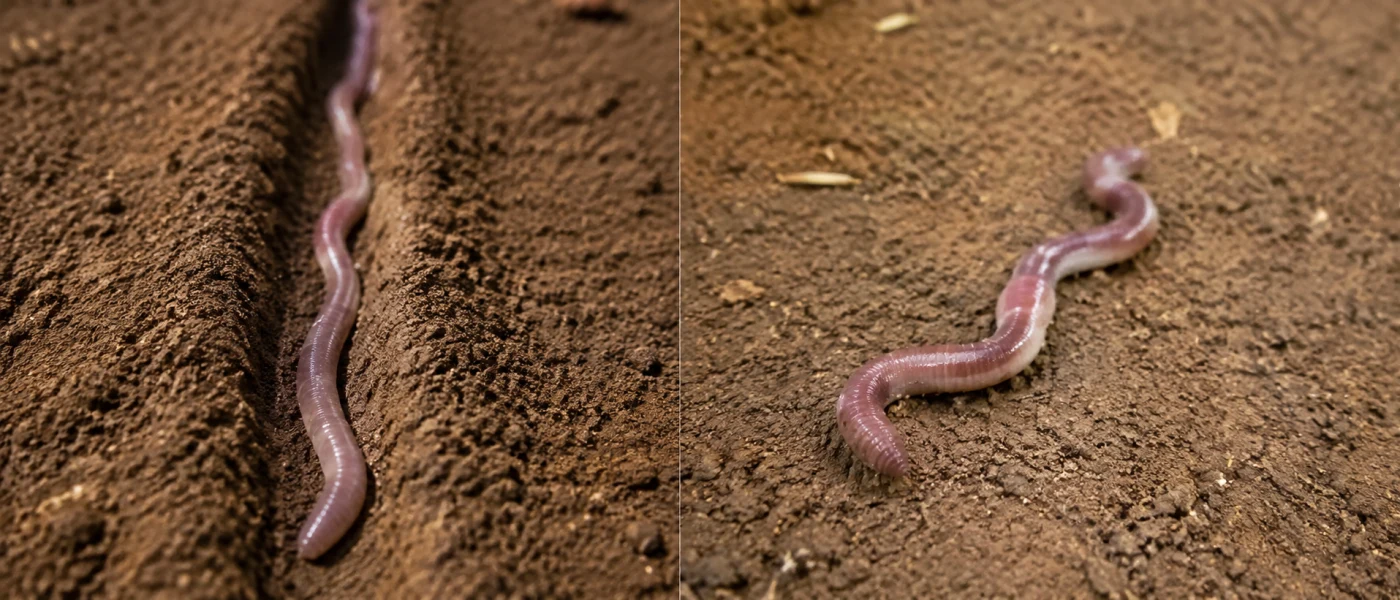
Worms move faster along narrow paths than along wide ones
Experiments and simulations found that California blackworms moved faster through narrow channels than wider ones. Tight confinement kept the flexible bodies aligned, reducing pauses and changes of direction. The study suggests that constraints can sometimes assist movement, with possible implications for soft robots navigating small passages and industrial pipes.
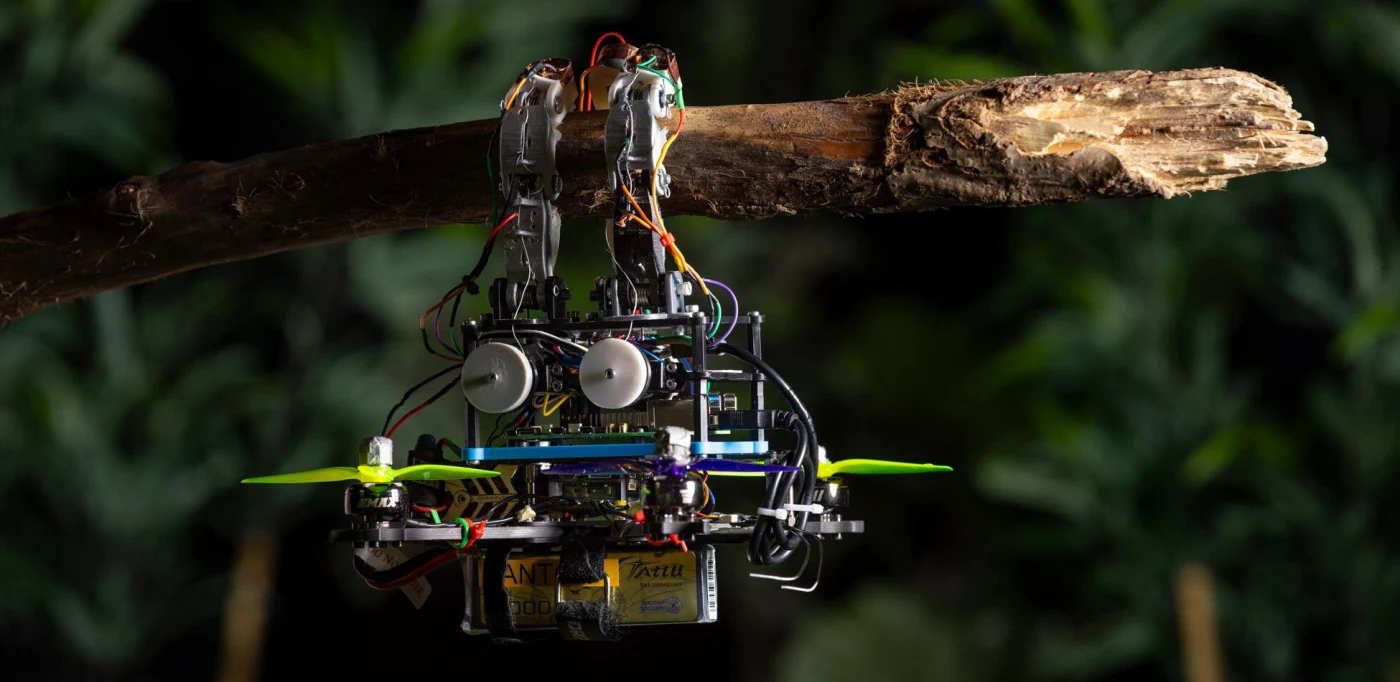
Drone uses touch to perch on branches like a bird
TU Delft researchers developed a drone that uses tactile sensing to locate and grip branches before switching off its motors. A three-fingered hand refines an initial position estimate through contact, helping when the gripper or foliage blocks vision. The work points toward longer-duration monitoring in cluttered environments.
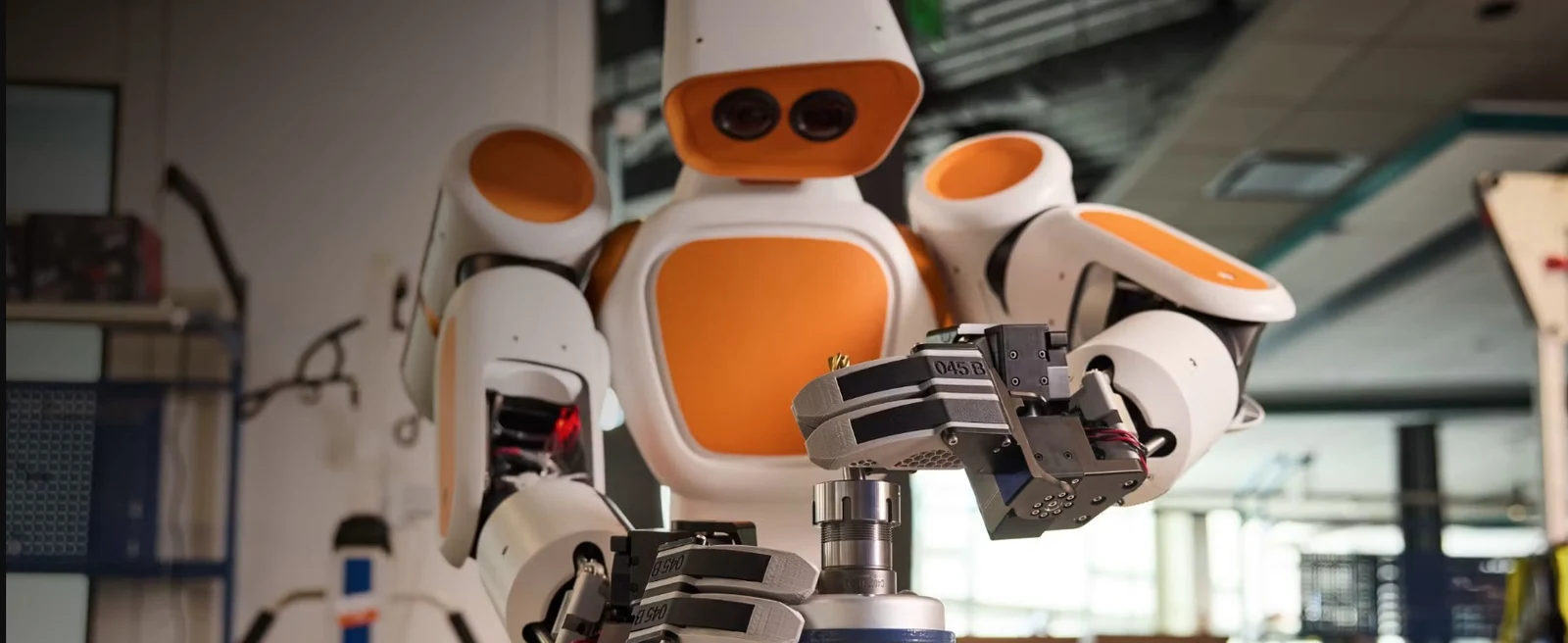
Wheeled humanoid robot Walden presented for work in warehouses
Walden Robotics presented a wheeled dual-arm robot for factories and warehouses, prioritizing stability and repeatable manipulation over walking. The platform uses proprietary Large Behavior Models for sorting and assembly. The report describes early production, limited deliveries, funding and deployment at a Toyota facility in North America.
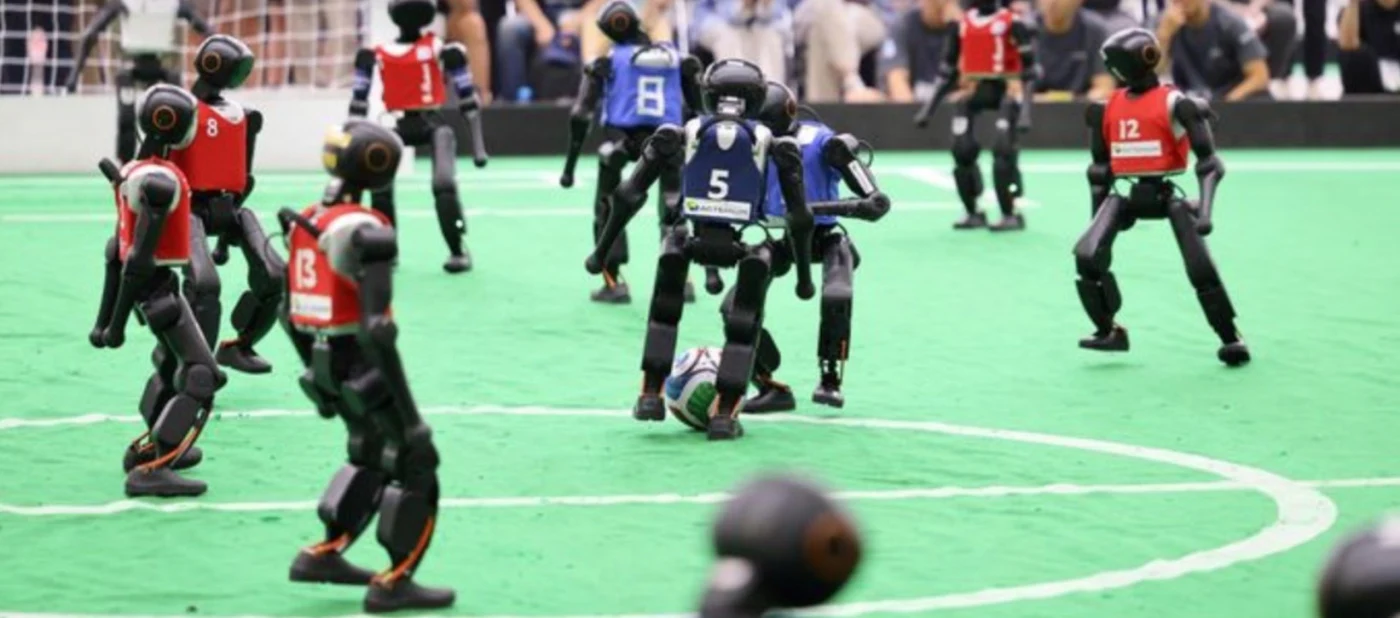
RoboCup 2026 hosts first 11-a-side humanoid robot football match
RoboCup 2026 hosted an 11-a-side humanoid football match between B-Human from Bremen and HTWK Robots from Leipzig, both using Booster Robotics hardware. The event marks progress toward RoboCup's long-term goal, set in 1997, of creating an autonomous robot team capable of beating human world champions by 2050.

Scientists have created soft robots that jump under light
North Carolina State University researchers created soft ring-shaped robots that jump repeatedly under infrared light without a separate reset. Twisting stores and releases elastic energy, while geometry controls crawling, forward jumps or vertical jumps. Tests explored varied surfaces and obstacles, but the researchers identify no immediate application.

Agibot won 46 medals and led the World Games of Humanoid Robots
Agibot won 18 gold, 16 silver and 12 bronze medals at the second World Humanoid Robot Games, leading both gold and overall standings. OmniHand, G2, A3 and X2 competed across manipulation, movement and practical scenarios. The company links these results to its broader effort to scale embodied AI.
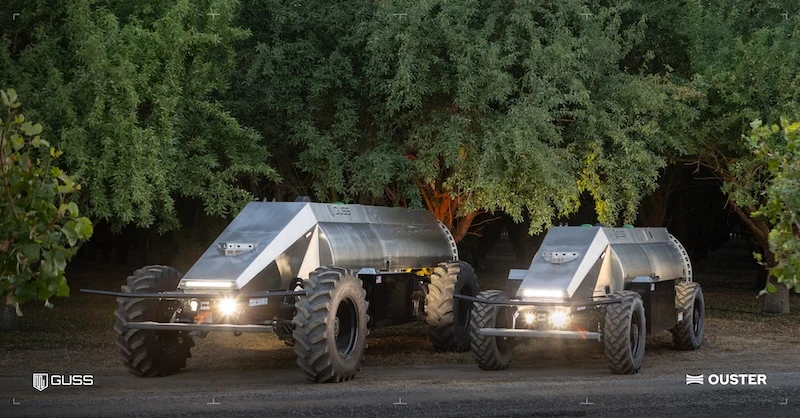
John Deere integrates Ouster lidar into autonomous orchard machines
John Deere subsidiary GUSS Automation plans to integrate Ouster Rev8 OS0 lidar into its next generation of autonomous orchard machines. Dense 3D sensing and native color are intended to support navigation and obstacle detection in orchards and vineyards. The report describes monitoring up to eight autonomous sprayers from one laptop.
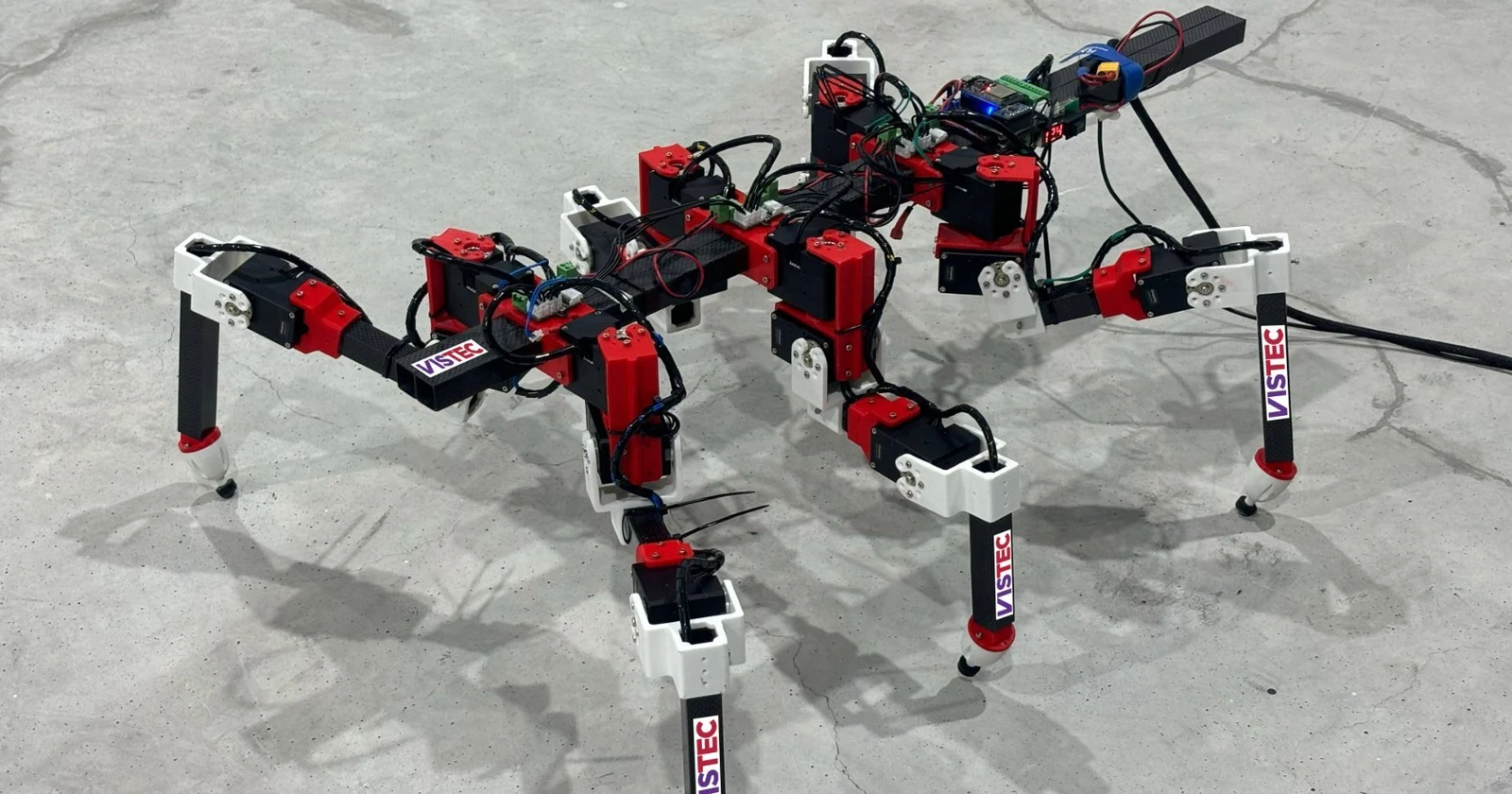
Six-legged robot learned to walk like a stick insect
Researchers from Tohoku University and VISTEC used a few stick-insect steps to infer a locomotion objective and train a six-legged robot. The system learned walking in about an hour, adapted to uneven terrain and limb loss, and separates general movement principles from robot-specific information to support transfer.